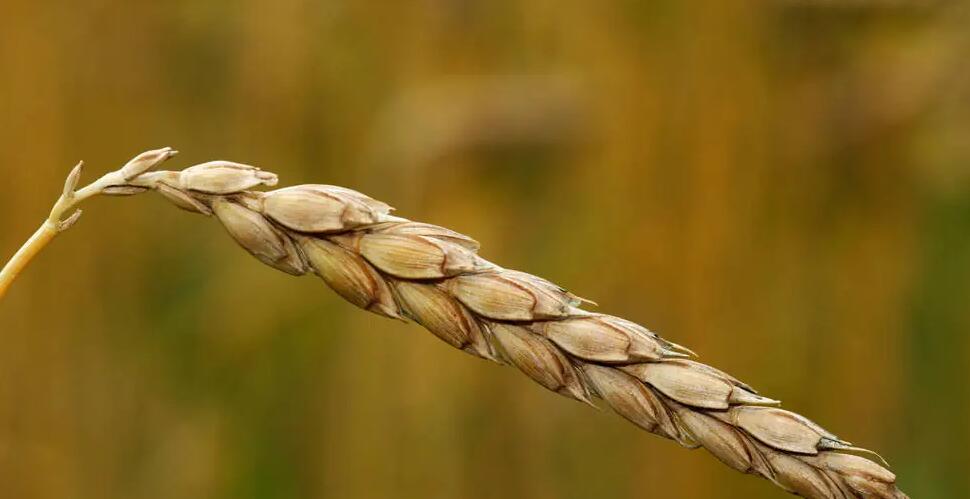
Triticum spelta, an ancient hulled wheat closely related to bread wheat (T. aestivum), served as a European staple from the Bronze Age through medieval times. Now cultivated as a relict crop in Central Europe and northern Spain, it has regained popularity as a nutritious health food valued for its robust flavor and digestibility. Genetically hexaploid (AABBDD) like bread wheat, spelt retains tougher glumes requiring dehulling. Though largely replaced by modern wheats, its genetic resilience—particularly disease resistance and adaptability to marginal soils—derived from ancestral wild wheats makes it valuable for breeding programs. Spelt contributes genes enhancing environmental stress tolerance and nutritional quality in improved wheat cultivars.