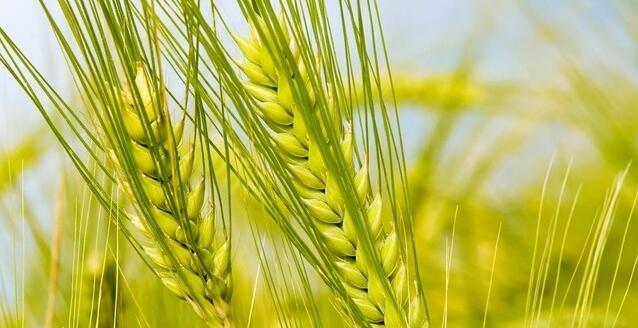
Triticum urartu, a wild diploid grass native to the Fertile Crescent's highlands (notably near Lake Van), is the critical A-genome progenitor of both bread wheat (T. aestivum, AABBDD) and durum wheat (T. durum, AABB). Though not cultivated itself, this wild species holds immense evolutionary significance as the primary donor of the foundational A-subgenome. Its genetic reservoir—especially drought tolerance, disease resistance, and nutrient efficiency—is actively exploited in modern wheat breeding. By crossing with polyploid wheats, T. urartu introduces essential traits for developing climate-resilient, higher-yielding cultivars adapted to challenging environments, securing future wheat production.