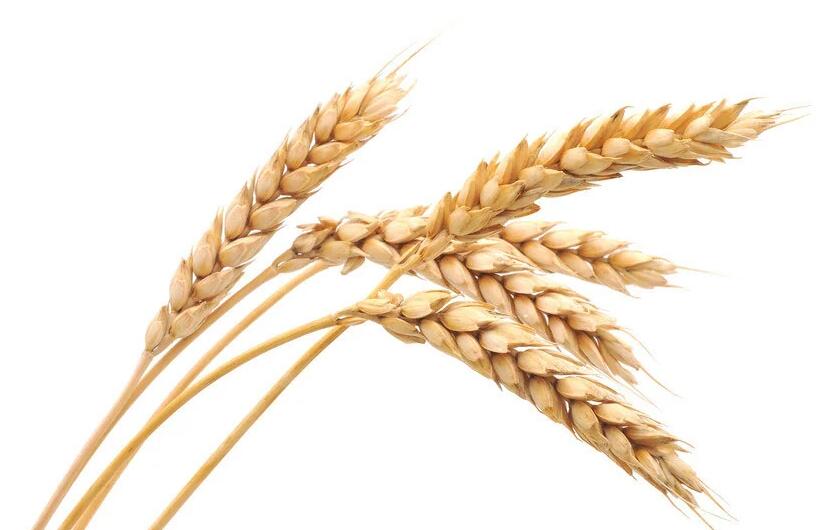
Bread wheat (Triticum aestivum), a hexaploid (AABBDD) staple crop essential to global diets, originated ~7,000 years ago in the Fertile Crescent. It emerged from two hybridizations: first, wild A-genome donor Triticum urartu crossed with a B-genome donor akin to Aegilops speltoides, creating tetraploid emmer wheat (T. dicoccoides, AABB). Emmer then hybridized with wild D-genome donor Aegilops tauschii, forming bread wheat. These wild progenitors endowed critical traits—disease resistance, adaptability, and yield—embedded in the D-genome. Their genetic diversity remains vital for breeding climate-resilient, high-yielding cultivars, securing future wheat production amid environmental challenges.